
There is a river in the Bono Region that gives life to a whole regional capital.
It quenches thirst.
It cooks food. It bathes children.
It sustains hospitals, schools, markets and homes.
That river is the Tano.
For the people of Sunyani and its adjoining communities, the Tano River is not just a river.
It is the only source of drinking water.
When the Tano is healthy, Sunyani is healthy.
When the Tano is sick, Sunyani is sick. Today, the Tano is showing signs of sickness. And we must not look away.
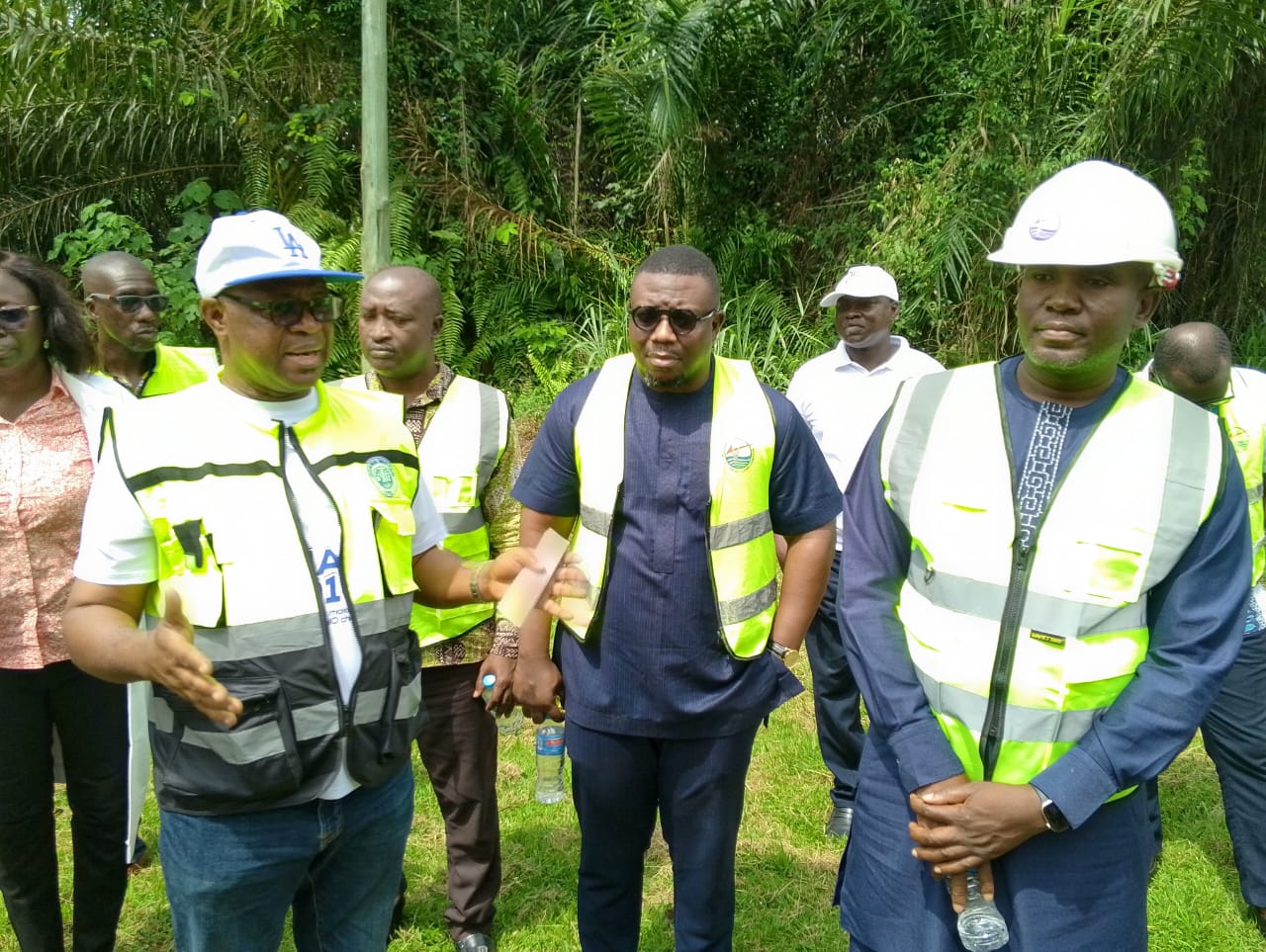
This came to light when the Executive Secretary of the Public Utilities Regulatory Commission, Dr Shafic Suleman, visited the Abesim Water Treatment Plant, which abstracts raw water from the Tano and supplies the Sunyani Municipality.
What he found should worry all of us.
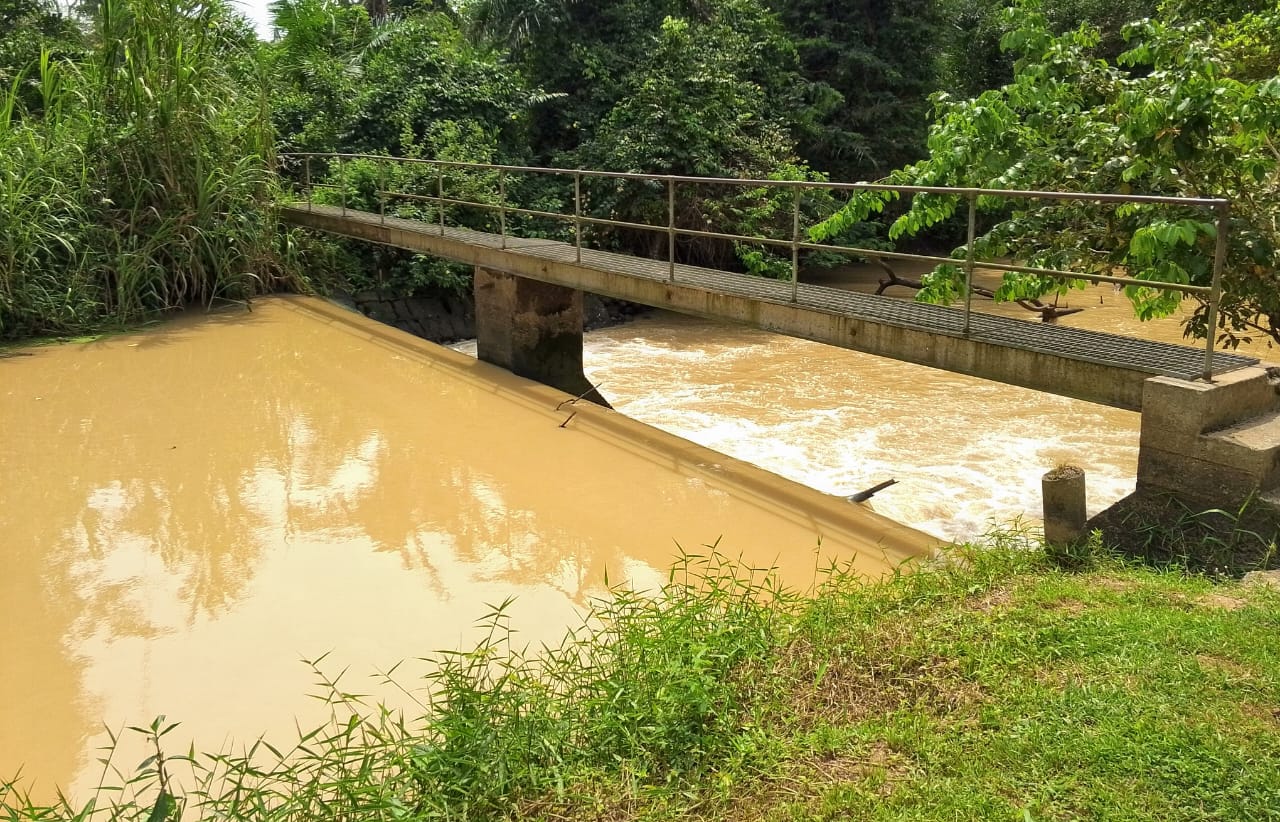
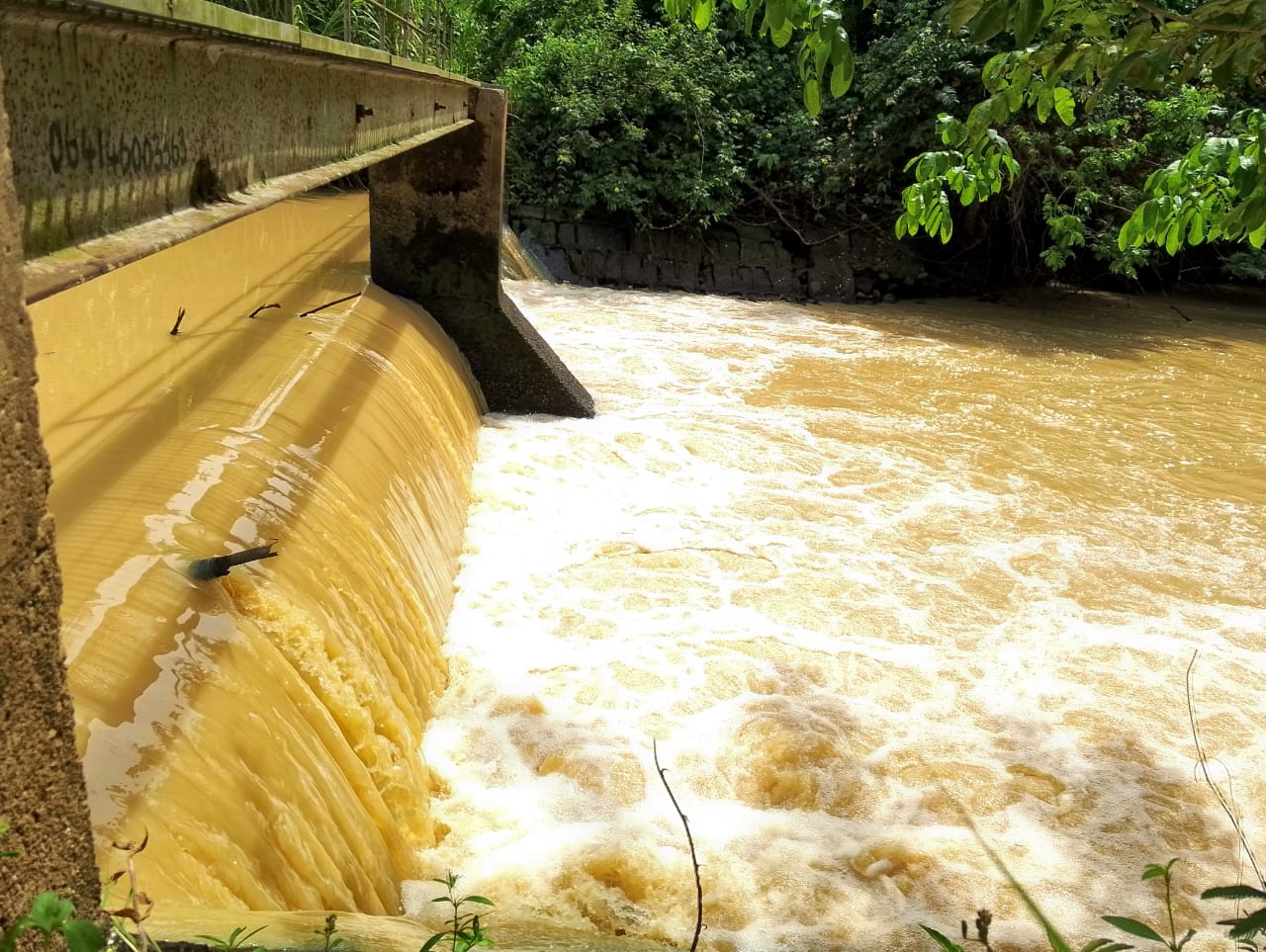
The river, once known for its clean water, has gradually turned yellowish.
The turbidity levels of water entering the plant have remained consistently high over the past three months.
That is the language of water engineers.
In simple language, it means the water is getting dirtier.
The cause is increasing illegal mining, popularly known as galamsey, upstream of the river. Let us be clear.
This is not a distant problem.
This is not a problem for the Western Region alone.
This is not a problem for the Eastern Region alone.
This is now a Sunyani problem.
This is now a Bono problem.
This is now a Ghana problem.
Illegal miners upstream may think they are only digging for gold. In reality, they are digging away the health of thousands of people downstream who have never held a shovel or a pickaxe.
The Daily Graphic is aware that although turbidity levels have not yet reached the threshold requiring the use of polymers, further deterioration could increase the quantity of chemicals needed to treat the water and, consequently, the operating costs of Ghana Water Ltd.
That is a polite way of saying what we all know.
Dirtier water costs more money to clean. More chemicals. More pressure on machines.
More pressure on the budget.
And in the end, who pays?
The consumer pays.
The taxpayer pays. The poor family in Sunyani who already struggles to pay water bills pays.
But cost is not the only danger.
The situation could affect the volume of raw water available for treatment and worsen existing water supply challenges.
In other words, if we allow galamsey to continue, we may reach a point where there is water in the river, but not water we can use.
We may reach a point where the treatment plant cannot cope.
We may reach a point where taps run dry, not because there is no river, but because we destroyed the river.
We have seen this story before in parts of the Western and Eastern regions.
We have seen rivers turn brown.
We have seen treatment plants shut down.
We have seen communities buy water from tankers at high prices.
We have seen farmers lose their farms.
We must not allow Sunyani to join that sad list.
Pollution does not stop at a regional border to ask for permission.
If Ashanti allows galamsey upstream, Bono will suffer downstream.
If Bono looks away, Sunyani will suffer.
This is a test of leadership.
Regional ministers must not treat this as someone else's problem.
They must act together, quickly and firmly.
Chiefs must act. Assemblies must act. Opinion leaders must act.
The media must act. Security agencies must act.
Environmental institutions must act.
The PURC has promised to draw the attention of relevant institutions, including Ghana Water Ltd, National Security and other environmental authorities, to the concerns.
That is good. Attention is, however, not enough.
We need action.
We need enforcement.
We need arrests.
We need prosecution.
We need the political will to say that no amount of gold is worth the drinking water of a whole city.
How long can treatment plants keep cleaning water that keeps getting dirtier?
How long can we keep assuring the public while the source itself is under attack?
The answer is simple.
We cannot assure water quality forever if we do not protect the source.
Treatment is the last line of defence.
Protection is the first. So let us protect the Tano.
Let us stop galamsey upstream before it destroys the only source of drinking water for Sunyani.
Let us revive the expansion project. Let us hold leaders accountable.
Let us remember that gold can be mined once, but water is needed every day.
If we lose gold, we lose money.
If we lose the Tano, we lose life.
Ghana must choose life.
