
Funerals in Ghana have changed considerably. What was once primarily a family and community occasion has increasingly become a large and expensive production, shaped by social expectations, public comparison and, more recently, social media.
After 25 years in the funeral industry, Lashibi Funeral Homes and Crematorium has seen how these changes affect grieving families and the professionals who serve them. They also expose gaps in an industry that has grown faster than the systems regulating it.
The growing pressure on families
Ghanaian funerals have always carried cultural and social importance. Today, however, families often feel pressure to demonstrate how much they valued the deceased through the scale of the funeral.
Social media has intensified this pressure. Photographs and videos circulate quickly, funerals are compared, and families may feel judged by relatives, friends and the wider community. This can influence decisions about caskets, clothing, music, catering, photography and the length of funeral activities.
The result is that some families spend beyond their means at a time when they are already emotionally and financially vulnerable. Loans are taken, property may be sold, and disagreements over contributions and expenses can continue long after the funeral.
Funeral service providers must recognise their role in this. Families dealing with grief may not be in the best position to assess every recommendation or additional service. Providers therefore have a responsibility to explain the available options clearly and help families make decisions they can afford.
An industry in need of stronger standards
As Ghana’s funeral industry has expanded, several structural challenges have become more apparent.
Mortuary capacity remains limited in parts of the country, particularly outside the major cities. Bodies may be kept for long periods while families raise funds, coordinate relatives or wait for an agreed funeral date. These delays increase costs and can make it more difficult for families to begin moving forward after a loss.
Professional standards also vary across funeral homes and mortuaries. Families often rely on reputation and word of mouth when choosing a provider, with limited access to clear information about service standards, professional qualifications and pricing.
This creates room for inconsistent embalming practices, poor hygiene, unclear charges and unethical conduct. The consequences can be serious for families who are already in a vulnerable position.
The need for regulation
Ghana needs a clearer framework for regulating funeral homes, mortuaries and related services. Such a framework should establish minimum standards for licensing, hygiene, embalming, staff training, ethical conduct and pricing transparency. Families should be able to understand what they are paying for and have a recognised channel for complaints when agreed standards are not met.
Government institutions, local assemblies, industry associations and public health authorities all have a role to play. Regulation should not interfere with the cultural and religious traditions surrounding funerals. Its purpose should be to protect families and improve professional standards across the industry.
Rethinking the cost of funerals
There is also a need for a broader public conversation about funeral expenditure. Traditional leaders, religious bodies, community organisations and funeral service providers can help challenge the idea that a dignified funeral must be an expensive one. Honouring the dead should not leave the living in debt.
This does not mean removing the colour, music, communal support and traditions that make Ghanaian funerals meaningful. It means helping families distinguish between what is culturally important and what is driven mainly by pressure or comparison.
Building a more responsible industry
The funeral industry serves people at one of the most difficult moments of their lives. Its responsibility goes beyond providing caskets, mortuary services and funeral arrangements. It must also offer honesty, sensitivity and sound guidance.
For 25 years, Lashibi Funeral Homes and Crematorium has sought to place dignity and responsible service at the centre of its work. As the industry continues to grow, these principles must become part of a wider national standard.
Ghana can preserve the cultural significance of its funerals while protecting families from unnecessary costs and inconsistent services. Achieving that balance will require stronger regulation, greater transparency and a shared commitment to placing the needs of grieving families first.
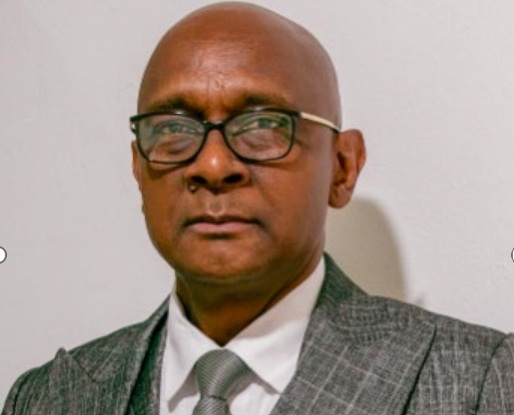
About the author; Jean Marie leads the team at Lashibi Funeral Homes and Crematorium. Originally from Mauritius, he is a well-established Executive Manager who has spent over 35 years working with international organisations in various countries, including 12 years in Ghana.
